Read Omniscient Reader’s Viewpoint Manhwa Online
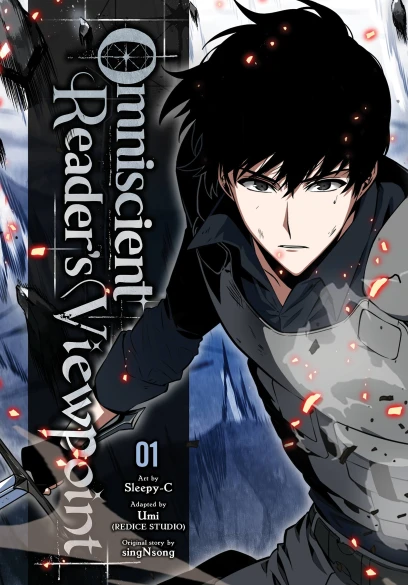
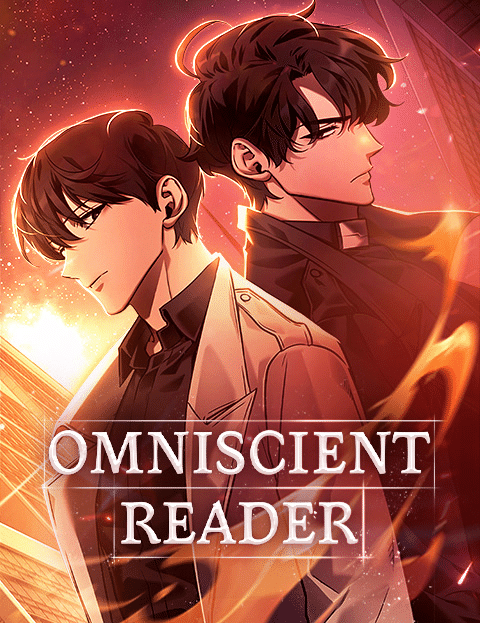
| Alternate Name: ORV, Omniscient Reader, 전지적 독자 시점 |
| Creator: singNsong (writing duo) |
| Artist(s): Sleepy-C (Manhwa adaptation, REDICE Studio) |
| Original Name (Korean): 전지적 독자 시점 (Jeonjijeok Dokja Sijeom) |
| Original Publisher: Munpia (Web Novel), Naver Webtoon (Manhwa) |
| Genre(s): Fantasy, Supernatural, Action, Survival, Dark Fantasy, Psychological, Science Fiction elements, |
| Themes: Regression, Survival scenarios, Fate vs free will, Meta storytelling, Reader perspective |
| Original Release: Web Novel first published in 2018 Manhwa adaptation released in 2020 |
| Type: Web Novel, Manhwa (Webtoon adaptation) |
| Genre(s): Dark Fantasy, Action, Adventure, Supernatural, Shōnen |
| Adaptation From: Omniscient Reader’s Viewpoint web novel by singNsong (Manhwa adaptation illustrated by Sleepy-C) |
| Status: Manhwa: Ongoing |
| Description: Omniscient Reader’s Viewpoint is a Korean web novel written by Sing Shong and later adapted into a manhwa illustrated by Sleepy-C. The story follows an ordinary reader who finds himself living inside the world of a novel he alone has finished reading. As reality transforms into a series of deadly scenarios governed by an unseen system, the protagonist uses his knowledge of future events to survive, protect others, and challenge the rules of the world itself. The series is widely recognized for its complex narrative structure, deep worldbuilding, and exploration of storytelling, fate, and choice. |
New reader? Start here:
All Chapters
Omniscient Reader’s Viewpoint Manhwa
Omniscient Reader’s Viewpoint Manhwa is a story that challenges how readers think about fiction, fate, and control. Rather than following a traditional hero’s journey, it places a reader inside a world he already knows and forces him to live with the consequences of that knowledge. This premise is the foundation of why Omniscient Reader’s Viewpoint has become one of the most discussed modern fantasy manhwa and why so many readers search for Omniscient Reader’s Viewpoint manga, ORV manga, and Omniscient Reader manhwa online.
At its core, Omniscient Reader’s Viewpoint is not just about survival. It is about what it means to understand a story so deeply that you can no longer escape it.
Key Facts About Omniscient Reader’s Viewpoint
| Aspect | Details |
| Original Format | Korean web novel |
| Adaptation | Manhwa |
| Genre | Fantasy, survival, meta fiction |
| Main Protagonist | Kim Dokja |
| Core Theme | Story awareness and fate |
| Status | Manhwa ongoing |
What Is Omniscient Reader’s Viewpoint About?
Omniscient Reader’s Viewpoint Manhwa is a survival fantasy built on the idea that stories do not end simply because a reader closes a book. Instead, the story turns back on the reader and demands participation.
The manhwa adaptation transforms the original web novel into a visual narrative while preserving its philosophical depth. Readers are not only watching characters fight or grow stronger. They are watching a story question its own structure.
Core Story Premise
The central premise of Omniscient Reader’s Viewpoint Manga is deceptively simple.
- A reader survives inside a story he already knows
- The world operates through rigid scenarios rather than free choice
- Knowing the ending becomes both an advantage and a curse
Kim Dokja is not transported into a random fantasy world. He enters a story he has already finished reading. Every major event, every powerful character, and every devastating failure already exists in his memory. This knowledge allows him to anticipate danger, but it also traps him inside a predetermined narrative.
Unlike typical power fantasy protagonists, Dokja does not gain strength because he is chosen. He survives because he understands the rules of the story better than anyone else. However, that understanding comes with a cost. Knowing how things end means living with the weight of inevitability.
The world itself enforces structure through scenarios. These scenarios are not suggestions. They are compulsory trials that dictate how characters must act to survive. Choice exists, but only within the boundaries allowed by the story.
Why Omniscient Reader’s Viewpoint Is Unique?
What sets Omniscient Reader’s Viewpoint Manga apart from other fantasy and survival series is how deeply it engages with the concept of storytelling itself.
- The narrative is built around readers, writers, and stories
- Characters are shaped by probability and assigned roles
- Consequences exist even when outcomes are known
This is meta storytelling in its purest form. Characters are not only aware that they are part of a story, but they are punished or rewarded based on how closely they follow its expectations. Power does not come solely from strength. It comes from relevance, narrative weight, and audience attention.
Probability plays a crucial role. Even if a character knows what should happen, the world resists outcomes that break the story’s balance. When someone defies fate too aggressively, the story pushes back. This creates tension even when readers believe they already know the result.
Most importantly, Omniscient Reader’s Viewpoint does not allow knowledge to erase consequence. Understanding the future does not guarantee happiness or safety. In many cases, it makes survival more painful.
Omniscient Reader’s Viewpoint Manhwa vs Manga Explained
One of the most common questions readers ask is whether Omniscient Reader’s Viewpoint is a manga or a manhwa. This confusion appears frequently in searches such as Omniscient Reader’s Viewpoint manga, ORV manhwa, and Omniscient Reader manga online.
Understanding the distinction helps clarify both the format and the origin of the series.
Is Omniscient Reader’s Viewpoint Manhwa or Manga?
Omniscient Reader’s Viewpoint is officially a Korean manhwa.
The term manga is often used globally as a catch all phrase for illustrated stories from East Asia. Because of this, many international readers refer to Omniscient Reader’s Viewpoint Manga even though it originates from South Korea.
The adaptation follows the manhwa format rather than traditional Japanese manga conventions. It is designed primarily for digital reading and structured to suit modern web platforms.
Key characteristics include:
- Vertical scrolling layout
- Full color artwork
- Chapter pacing optimized for online reading
These features align closely with webtoon style manhwa rather than printed manga volumes.
Difference Between Manga and Manhwa
Understanding the difference between manga and manhwa helps explain why Omniscient Reader’s Viewpoint is categorized the way it is.
- Manga originates from Japan
- Manhwa originates from South Korea
- Manhwa is typically published digitally in full color
Traditional manga is usually black and white and formatted for right to left reading in printed form. Manhwa, on the other hand, is designed for screens. The vertical layout allows for cinematic pacing, long panels, and dramatic reveals that work especially well for action and psychological tension.
Omniscient Reader’s Viewpoint benefits greatly from this format. The vertical structure emphasizes pauses, silence, and emotional weight, which are central to the story’s themes.
Why Readers Call ORV a Manga?
Despite being a manhwa, many readers still refer to ORV as a manga. This happens for several reasons.
- The term manga is globally familiar
- Search behavior favors the word manga
- Visual storytelling techniques feel similar
For many international fans, manga has become shorthand for any illustrated serialized story. When searching for ways to read Omniscient Reader’s Viewpoint online, readers often default to the term manga even when they are technically looking for a manhwa.
This shared visual language also contributes to the confusion. ORV uses expressive paneling, dramatic pacing, and character driven storytelling that fans of manga instantly recognize.
As a result, both terms continue to be used interchangeably in discussions, even though Omniscient Reader’s Viewpoint remains firmly rooted in the manhwa tradition..
Omniscient Reader’s Viewpoint Manhwa Story World Explained
The strength of Omniscient Reader’s Viewpoint Manhwa lies in how carefully its world is constructed. This is not a fantasy setting where rules exist only to be broken for dramatic effect. Instead, the world follows strict systems that govern survival, power, and progression. Every major event is shaped by invisible structures that treat life as part of a narrative rather than a natural state.
Understanding this story world is essential to understanding why Omniscient Reader’s Viewpoint Manga feels so tense, even when outcomes seem predictable.
Scenarios and Survival Rules
The entire world of Omniscient Reader’s Viewpoint progresses through scenarios. These scenarios function as mandatory trials imposed on humanity.
Key characteristics of scenarios include:
- The world advances only through forced scenarios
- Each scenario has clearly defined success and failure conditions
- Failure often results in death, punishment, or complete erasure
Scenarios are not optional challenges. When a new scenario begins, every participant must engage with it, regardless of their willingness or readiness. This removes the illusion of freedom and replaces it with structured survival.
What makes scenarios particularly cruel is their neutrality. They do not care about morality, fairness, or emotional bonds. A scenario only evaluates whether its conditions are met. If those conditions are not fulfilled, the consequences are immediate and irreversible.
In Omniscient Reader’s Viewpoint Manhwa, survival is not about heroism. It is about understanding the rules faster than others and choosing the least destructive path available.
Constellations and Sponsorship
Above the world of scenarios exists another layer of power: the constellations. These higher beings observe the unfolding story as spectators rather than participants.
Important aspects of constellations include:
- They watch scenarios as entertainment
- They sponsor characters they find interesting
- Sponsorship directly affects power and survival chances
Constellations do not intervene out of compassion. They invest in characters who provide compelling narratives. A character who struggles dramatically or defies expectations is more likely to receive attention and support.
Sponsorship can grant abilities, resources, and protection. However, it also creates dependency. Characters who rely too heavily on sponsorship risk losing autonomy, becoming tools of someone else’s narrative desires.
This dynamic reinforces one of the central ideas of Omniscient Reader’s Viewpoint Manga: power is never free. Every advantage comes with expectations, and every sponsor demands entertainment in return.
Probability as a Governing Force
Probability is one of the most misunderstood yet important systems in Omniscient Reader’s Viewpoint Manhwa. It does not exist to create balance. It exists to enforce narrative order.
Probability functions in several key ways:
- Reality resists impossible outcomes
- Breaking story rules incurs a cost
- Probability acts as punishment rather than correction
When characters attempt actions that deviate too far from what the story considers acceptable, probability pushes back. This pushback can manifest as physical damage, weakened abilities, or sudden narrative obstacles.
Crucially, probability does not care about intent. Even actions taken to save others can be punished if they disrupt the flow of the story. This creates constant tension, especially for someone like Kim Dokja, who knows what should happen but still chooses to intervene.
In Omniscient Reader’s Viewpoint Manhwa, probability ensures that knowledge alone is not enough to control fate. The story always demands a price.
Main Characters in Omniscient Reader’s Viewpoint Manga
The characters of ORV Manhwa are not defined solely by their abilities. They are defined by how they interact with the story itself. Each major character represents a different relationship with narrative control, survival, and identity.
Kim Dokja
Kim Dokja is the emotional and conceptual center of Omniscient Reader’s Viewpoint..
Key traits include:
- The only reader who knows the full story
- Relies on strategy rather than raw power
- Represents sacrifice and narrative awareness
Dokja’s greatest strength is not combat ability. It is his understanding of how the story functions. He knows which characters matter, which events cannot be avoided, and which sacrifices the story demands.
However, this knowledge isolates him. Knowing the future means carrying responsibility for outcomes others cannot see. Dokja frequently chooses paths that ensure survival for others at the cost of his own well being.
In this way, Kim Dokja embodies the burden of readership. He is someone who understands the story completely but cannot escape it.
Yoo Joonghyuk
Yoo Joonghyuk serves as a powerful contrast to Kim Dokja.
Defining aspects of Yoo Joonghyuk include:
- A regressor trapped in endless repetition
- Driven by survival and overwhelming strength
- Acts as a foil to Kim Dokja’s approach
Unlike Dokja, Yoo Joonghyuk does not know the full narrative. He only knows that failure leads to reset. Each regression strips away parts of his humanity, leaving behind a figure defined by efficiency and endurance.
Joonghyuk represents brute force within the narrative. He survives by becoming stronger than the story’s obstacles, not by understanding them. This creates tension between him and Dokja, whose power lies in insight rather than dominance.
Their relationship highlights one of the central conflicts of ORV Manhwa: whether survival is achieved through strength or understanding.
Han Sooyoung
Han Sooyoung brings a different perspective into the story world.
Key characteristics include:
- A writer who understands stories instinctively
- Challenges narrative authority directly
- Plays a critical role in later arcs
Where Kim Dokja reads and Yoo Joonghyuk endures, Han Sooyoung creates. She understands how stories are constructed and is willing to manipulate them. This makes her dangerous not just to enemies, but to the narrative itself.
Han Sooyoung’s presence challenges the idea that stories are immutable. She introduces uncertainty, creativity, and rebellion against predetermined roles. Her actions question whether a story can truly control those who understand how it is written.
In Omniscient Reader’s Viewpoint, Han Sooyoung represents defiance against narrative destiny.
Symbols and Hidden Meanings in ORV Manhwa
One of the most distinctive features of Omniscient Reader’s Viewpoint Manhwa is its use of symbols to communicate meaning without direct explanation. These symbols are not decorative. They are part of the story’s internal logic and reflect how information, fate, and narrative control operate within the world.
Many readers search for explanations of these elements because they appear repeatedly and influence major plot developments. Understanding them adds an entirely new layer to the reading experience.
What Do the Black Squares Mean in ORV?
The black squares that appear throughout ORV manga are one of the most discussed symbols in Omniscient Reader’s Viewpoint Manhwa.
They serve several important functions:
- Information is censored by the story system
- They represent unreadable or protected futures
- They prevent outcomes from being fully known in advance
When black squares appear, it means that the story itself is blocking access to certain information. Even someone with knowledge of the original narrative cannot see beyond these points. This ensures that the future is never completely predictable.
The presence of black squares reinforces the idea that no reader, no matter how informed, can fully control the story. There are limits imposed to preserve tension, uncertainty, and consequence.
From a narrative perspective, black squares protect key events from being trivialized. They force both characters and readers to confront moments without preparation, restoring suspense in a world built on foreknowledge.
Meaning of ▮▮ and ▮▮▮ in ORV Manhwa
Another recurring symbol in Omniscient Reader’s Viewpoint Manga is the use of redacted blocks such as ▮▮ and ▮▮▮. These symbols often replace names, locations, or events.
Their meaning can be understood as:
- Redacted names or events within the narrative
- Used when fate or outcomes are unresolved
- A symbol of narrative control exerted by the story
These redactions appear when something is not yet fixed in the narrative timeline. They signal that the story has not decided how an event will resolve or what form it will ultimately take.
By hiding this information, the story prevents premature certainty. It reminds the reader that even with extensive knowledge, the narrative still retains authority. The story chooses when something can be fully revealed.
In this way, ▮▮ and ▮▮▮ represent the boundary between what is written and what is still being decided.
What Does tls123 Mean in ORV
The term tls123 holds special significance in Omniscient Reader’s Viewpoint Manhwa because it exists both inside and outside the story.
Its meaning includes:
- A reference to the original web novel author name
- A meta element embedded within the narrative
- A reinforcement of the reader writer connection
By including tls123 within the story, Omniscient Reader’s Viewpoint blurs the line between fiction and reality. It acknowledges the existence of an author while simultaneously making the reader aware of their role in sustaining the story.
This reference is not accidental. It emphasizes one of the central themes of ORV: stories exist because someone reads them, and readers shape the meaning of what they consume.
The inclusion of tls123 is a reminder that Omniscient Reader’s Viewpoint Manga is always aware of itself as a story.
Is Omniscient Reader’s Viewpoint Manga Finished?
Questions about completion status are common among new readers of Omniscient Reader’s Viewpoint Manhwa. Understanding the difference between the original story and its adaptations helps clarify where the series currently stands.
Current Completion Status
The status of Omniscient Reader’s Viewpoint can be summarized clearly:
- The original web novel is completed
- The manhwa adaptation is ongoing
- Side stories continue to expand the universe
The completed novel provides a definitive ending to the main narrative. However, the manga adaptation follows a separate release schedule and continues to adapt the story in stages.
Side stories explore additional perspectives, events, and emotional threads that enrich the overall world without altering the core conclusion.
Difference Between Novel Ending and Manga Progress
The difference between the novel and the manga lies primarily in pacing and presentation.
Key distinctions include:
- The manga follows a slower, serialized release schedule
- Story arcs are adapted gradually rather than all at once
- Readers experience extended character development
The manhwa format allows for deeper visual storytelling. Scenes that pass quickly in text can be expanded visually, adding emotional weight and clarity. This means that even readers familiar with the novel can experience the story in a new way.
For readers who follow Omniscient Reader’s Viewpoint Manga, the ongoing adaptation offers the chance to revisit the story with fresh perspective while still moving steadily toward its established conclusion.
.Emotional Themes in Omniscient Reader’s Viewpoint Manhwa
Beyond its complex systems and narrative structure, Omniscient Reader’s Viewpoint is driven by emotion. The story resonates because it consistently places characters in situations where logic alone is not enough. Survival depends on belief, trust, and the willingness to give something up.
These emotional themes are what turn a high concept survival story into something deeply human.
Trust and Sacrifice
Trust in this story is never simple or complete. Characters are forced to make decisions with limited knowledge, often relying on others without understanding their full intentions or capabilities.
Several patterns appear repeatedly:
- Characters rely on incomplete or distorted information
- Survival often requires self sacrifice rather than victory
- Trust gradually replaces raw strength as the most valuable resource
Powerful characters still fall. Well prepared plans still fail. What allows groups to endure is not certainty, but trust built through shared risk. Characters choose to believe in one another even when betrayal would be safer.
Sacrifice is not portrayed as noble by default. It is painful, costly, and sometimes unfair. Yet it becomes necessary because the world punishes hesitation. Those who refuse to sacrifice eventually lose everything.
This emphasis on trust changes how strength is defined. Strength is not measured only in combat ability, but in how much someone is willing to lose for others.
Why Kim Dokja Is Called the Ugliest King
The title “Ugliest King” is one of the most misunderstood aspects of the story. It is not about physical appearance. It reflects how Kim Dokja views himself and the role he chooses to play.
The meaning behind the title includes:
- A reflection of harsh self perception
- A rejection of traditional heroic ideals
- An emphasis on internal struggle over image
Kim Dokja consistently takes on the roles others avoid. He accepts blame, hides his intentions, and allows himself to be misunderstood if it leads to survival for others. In doing so, he removes himself from the image of a heroic leader.
The title symbolizes his willingness to become something ugly in the eyes of the world so that others do not have to. It represents emotional isolation rather than weakness.
This is why the title carries weight. It captures the cost of being aware of the story while choosing to protect it anyway.
Authorship of Omniscient Reader’s Viewpoint Manhwa
Questions about authorship are common because the story’s structure feels deliberately layered. This is not accidental. The way the narrative handles perspective, voice, and control reflects how it was created.
Who Wrote ORV
The story was written by the South Korean author duo singNsong working under a shared pen name.
Important details include:
- Written collaboratively rather than by a single author
- Often mistaken as being written by a married couple
- The partnership reflects dual narrative perspectives
The misconception about the authors being married comes from how closely their writing styles complement each other. The narrative frequently shifts between emotional introspection and structural precision, suggesting more than one creative viewpoint.
This collaborative approach mirrors the story’s themes. Just as characters influence the narrative together, the authors shape the story through combined perspectives. This balance is one of the reasons the story feels both emotionally grounded and structurally consistent.
Omniscient Reader’s Viewpoint Manhwa Reading Overview
Understanding how the story is structured helps new readers approach it without confusion. The manga adaptation follows a clear progression that mirrors the internal logic of the world.
Chapter Based Story Structure
The narrative advances through clearly numbered chapters, each serving a specific purpose.
Key characteristics include:
- The story progresses in structured chapters
- Each chapter moves a scenario forward
- Character growth follows the outcomes of these scenarios
Chapters are not filler. Each one introduces consequences that carry forward. Decisions made early often resurface much later, reinforcing the sense that nothing is wasted.
This structure allows the story to maintain tension over long arcs without losing focus.
Reading Order Clarity
For readers approaching the story for the first time, the recommended reading order is straightforward.
- Begin with chapter one
- Follow scenario arcs in sequence
- Treat side stories as optional expansions
Side stories add emotional depth and alternate viewpoints, but they are not required to understand the main narrative. They exist to expand context rather than alter the core story.
Following the main chapters sequentially provides the clearest experience and preserves the intended pacing and emotional impact.
Final Thoughts
Omniscient Reader’s Viewpoint Manga or ORV Manhwa is more than a survival fantasy. It is a story about the burden of understanding a narrative too well and the responsibility that comes with knowing how things are meant to end. By turning a reader into a participant, the series transforms knowledge into sacrifice and awareness into isolation, creating tension that never relies on simple power or chance.
What gives the story lasting impact is its depth and restraint. Its systems are strict, its emotions earned, and its themes unfold gradually over time. Each rereading reveals new meaning, making the experience richer with reflection. For readers who appreciate thoughtful storytelling and long term emotional resonance, this series remains memorable well beyond its final chapter.